rewrewrrewrewrrewrewrrewrewrrewrewrrewrewrrewrewrrewrewrrewrewrrewrewrrewrewrrewrewrrewrewrrewrewrrewrewrrewrewrrewrewr

About Us
Dongyuan Shengda was founded in 2013, the enterprise is located in Jinzhou Economic Development Zone, Hebei Province. It covers an area of more than 27,000 square meters and has an annual yield of 10,000 tons of methyl cellulose.
Contact UsContact Info
- Hebei Province, China
- 8613176027703
- [email protected]
- GMT+8 Monday - Friday: 09:00AM - 06:00PM
rewrewr
rewrewrrewrewrrewrewr
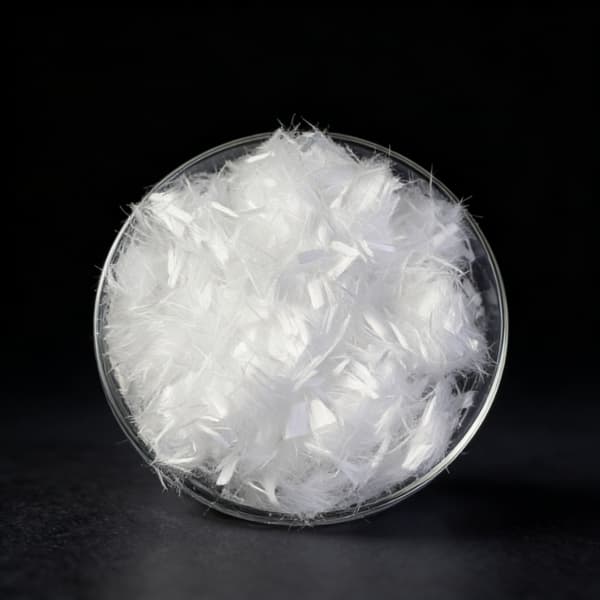
Polypropylene Fiber(PP)
Performance You Can Trust: Dongyuan Shengda Polypropylene Fiber Excellent crack resistance Effectively prevents plastic shrinkage cracks and drying shrinkage cracks. […]
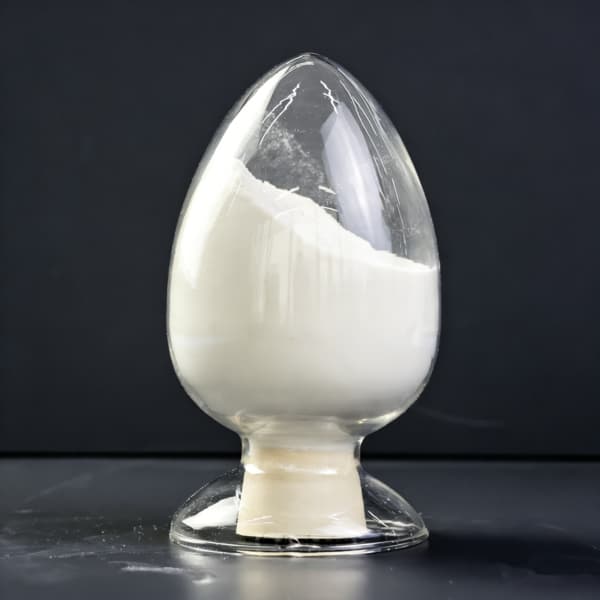
Hydroxypropyl Starch Ether(HPS)
Performance You Can Trust: Dongyuan Shengda Hydroxypropyl Starch Ether(HPS) Excellent Water Retention Helps reduce rapid moisture loss and improves hydration […]
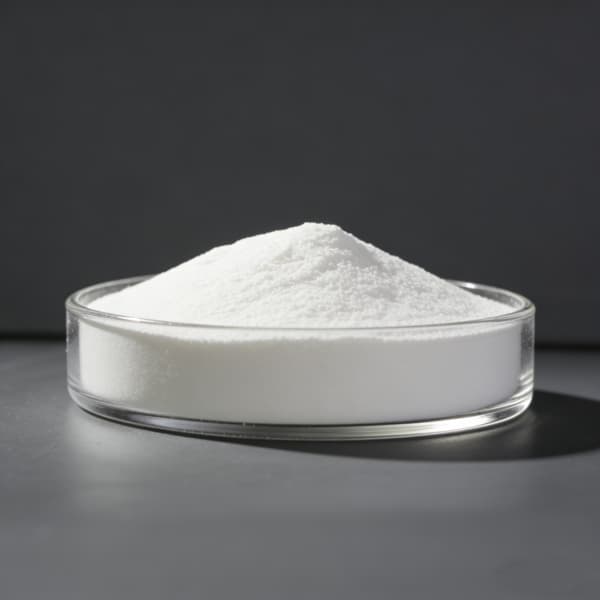
Air-entraining Agent
Performance You Can Trust: Dongyuan Shengda Air-entraining Agent Improved Freeze-Thaw Resistance Creates stable micro-air bubbles to relieve freezing pressure and […]
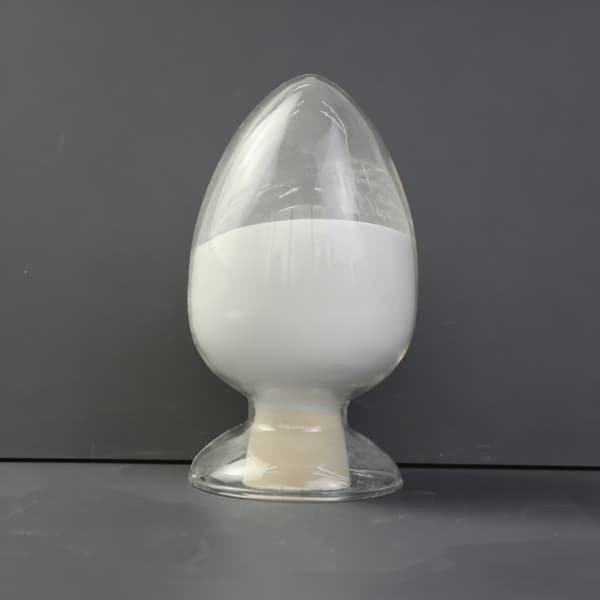
Powder Defoamer
Performance You Can Trust: Dongyuan Shengda Powder Defoamer Excellent Compatibility with Dry Mix Systems Powder defoamers can be blended into […]
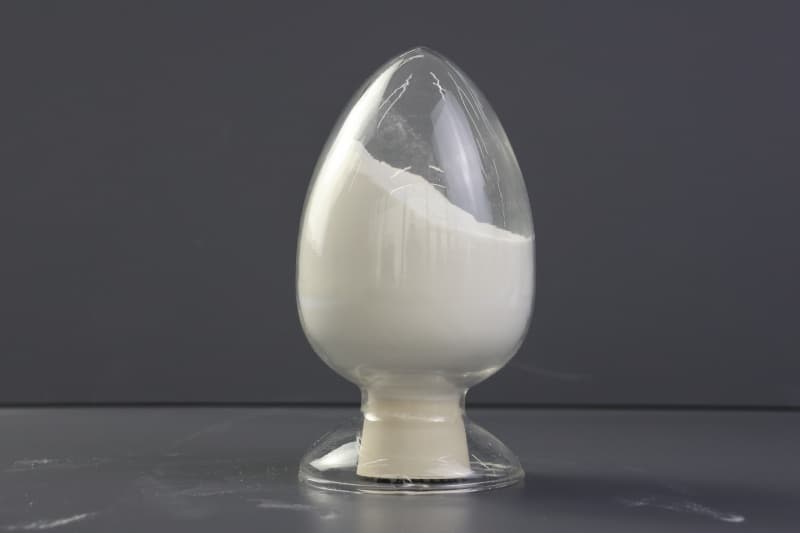
HPMC Chemical: Properties, Functions and Applications in Construction
HPMC chemical, also known as Hydroxypropyl Methylcellulose, is a non-ionic cellulose ether widely used in construction materials, pharmaceuticals, coatings, and […]
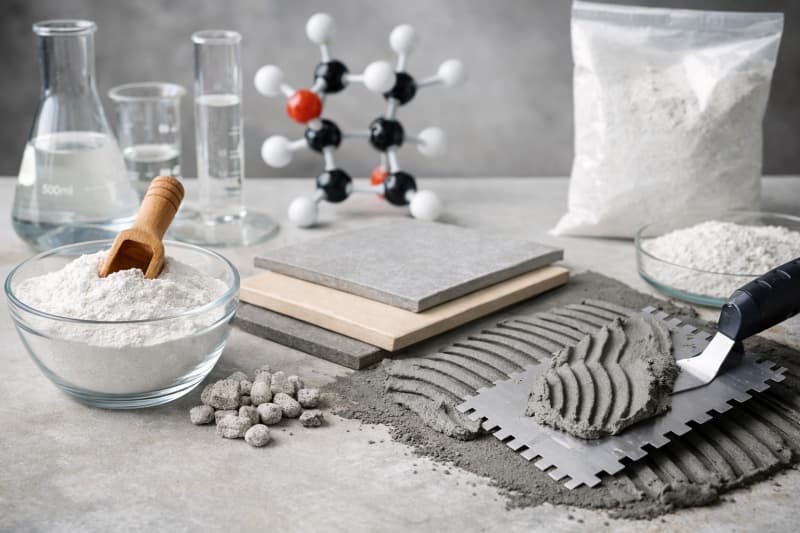
Hydroxypropyl Methylcellulose (HPMC) for Tile Adhesive
In modern construction materials, Hydroxypropyl Methylcellulose (HPMC) plays a vital role in the performance of cement-based tile adhesives. As a […]
Key Benefits of HPMC in Tile Adhesive
Key Benefits of HPMC in Tile Adhesive 1️⃣ Excellent Water Retention HPMC significantly improves water retention in cement-based tile adhesives, […]
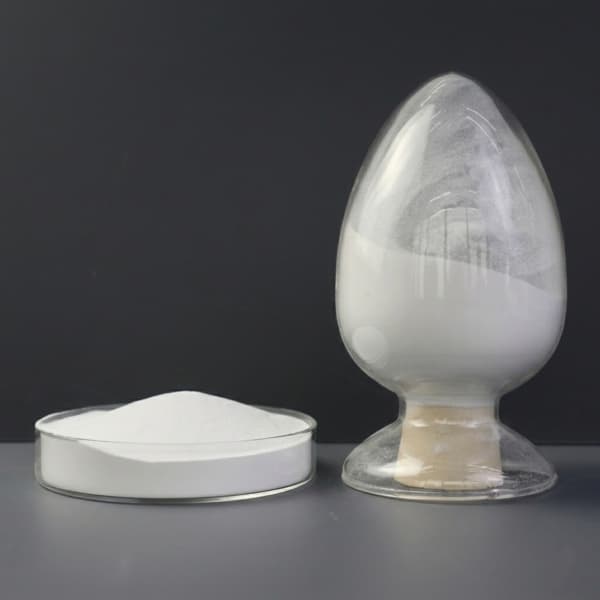
Silicone Hydrophobic Powder
Performance You Can Trust: Dongyuan Shengda Silicone Hydrophobic Powder High-Efficiency Protective Performance Excellent hydrophobicity effectively reduces substrate water absorption, enhances […]