
Cement Render

Cement Render

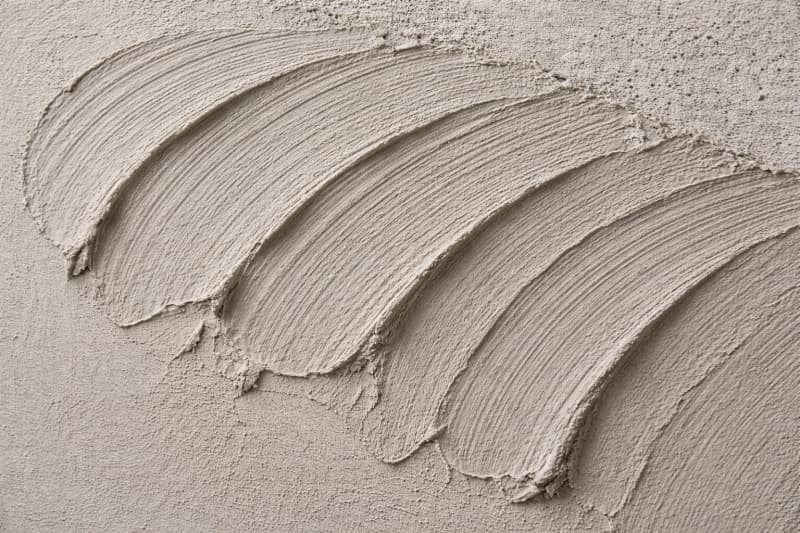
Cement render or cement plaster is the application of a mortar mix of sand and cement,(optionally lime) and water to brick, concrete, stone, or mud brick. It is often textured, colored, or painted after application. It is generally used on exterior walls but can be used to feature an
interior wall.Depending on the ‘look’ required, rendering can be fine or coarse, textured or smooth, natural or colored, pigmented or painted.

Reliable performance for high-quality applications

Dongyuan Shengda Cellulose ether is mainly used in cement render to improve water retention and workability. It helps prevent rapid water loss during application, promotes better cement hydration, and improves adhesion, spreadability, and surface smoothness while reducing cracking and segregation.

RDP is used to enhance the mechanical strength and flexibility of cement render. It forms a polymer film after curing, improving bonding strength, crack resistance, impact resistance, and water resistance, which helps improve the durability and weather performance of the render.
Cement Render

Innovative Additives for Cement Render

Hydroxypropyl Methyl Cellulose

Hydroxypropyl Methyl Cellulose (HPMC) is a water-soluble, non-toxic polymer additive. It is widely used in various industries due to its properties as a thickener, binder, film-former, emulsifier, and water retention agent, ensuring improved stability, efficiency, and performance across diverse industrial and commercial applications.

Hydroxyethyl Methyl Cellulose

MHEC (Methyl Hydroxyethyl Cellulose) powder is a non-ionic cellulose ether derived from natural polymer cellulose, acting as a thickener, binder, and high-performance water retention agent. It is widely used in construction materials (tile adhesives, dry-mix mortars, wall putty) to improve workability and durability.

Redispersible Polymer Powder

Redispersible polymer powder is a free-flowing white or light yellow powder made from vinyl acetate–ethylene polymer emulsion through high-temperature, high-pressure spray drying. When it comes into contact with water, it can form a stable polymer emulsion whose properties are the same as those of the original emulsion.